Water Damage Restoration 101: Recognizing the Process and Price
Water damage can strike all of a sudden, leaving homeowners in a state of confusion. Recognizing the repair process is crucial for reliable healing. From reviewing the damage to choosing the right provider, each action influences the total result and cost. Aspects such as the type of water damage and necessity additionally play a significant function. What are the particular strategies used in repair, and just how can one prepare for prospective expenses?
Types of Water Damage
Preliminary Assessment and Inspection

Water Extraction Techniques
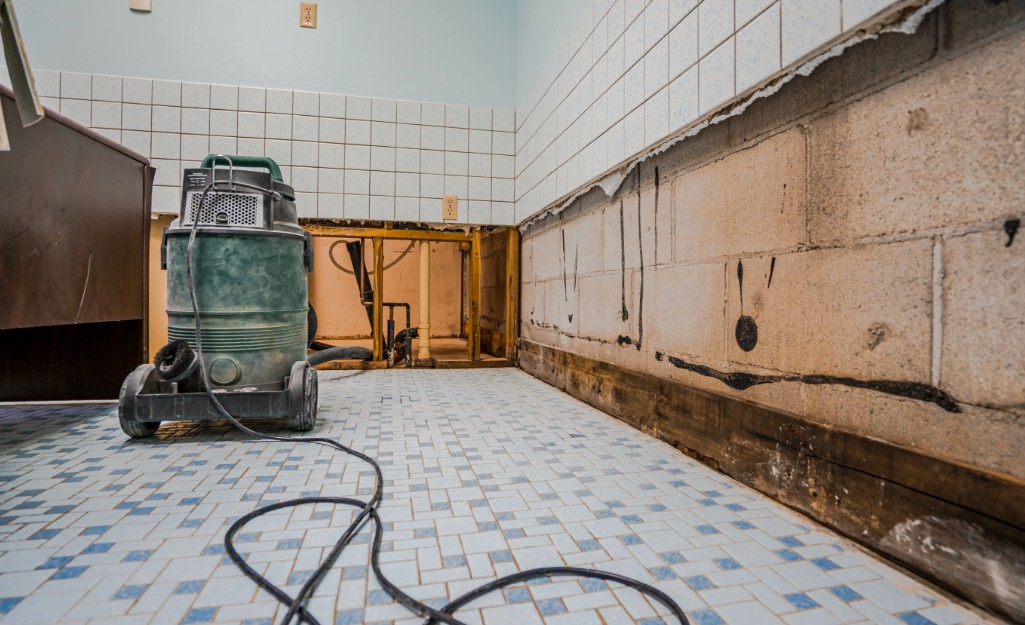
Adhering to the preliminary assessment, effective water removal techniques are used to alleviate damage and avoid more problems. These strategies entail the usage of specialized equipment such as submersible pumps and industrial-grade vacuum cleaners - Water Damage Restoration. The selection of technique depends upon the volume of water existing and the type of materials influenced. For standing water, completely submersible pumps are normally utilized for quick removal, while vacuum cleaners are ideal for removing water from rugs and furniture. Furthermore, advanced approaches like water extraction mats might be employed for hard-to-reach locations - Water Damage Restoration. The goal is to remove as much water as possible, lessening the potential for mold development and structural damage. Trigger and effective water removal is vital in the total water damage restoration process
Drying and Dehumidification Process
As soon as the water extraction is full, the drying out and dehumidification process ends up being essential to recovering the afflicted location. This phase normally employs industrial-grade dehumidifiers and air moving companies to effectively minimize dampness levels. The dehumidifiers reel in moist air, removing excess humidity, while air movers circulate air to accelerate evaporation. Tracking devices is often used to track humidity and temperature level degrees, making certain excellent drying out problems. The period of this procedure can differ depending upon the degree of the water damage and environmental variables. It is important to completely completely dry all influenced materials, including walls, flooring, and furnishings, to avoid mold and mildew development and architectural damage. Appropriate execution of this step is critical for an effective reconstruction outcome.
Cleaning and Disinfecting Afflicted Locations
As soon as the drying procedure is complete, a detailed initial assessment and inspection of affected areas is essential to recognize contamination degrees. Efficient cleaning techniques and suitable items must then be employed to eliminate particles and discolorations. Ultimately, sanitization and disinfection techniques are important to assure that unsafe microorganisms are gotten rid of, restoring the room to a secure condition
Preliminary Evaluation and Examination
Before beginning any type of restoration efforts, a thorough preliminary evaluation and examination of the affected areas are crucial for efficient cleansing and sterilizing. This procedure includes recognizing the degree of water damage, identifying the resource of the water intrusion, and Read More Here examining the materials impacted. Inspectors normally try to find signs of mold and mildew growth, structural honesty issues, and damaged valuables. The assessment also consists of inspecting wetness degrees using specific equipment to ensure no covert water pockets continue to be, as these can result in additional complications. Recording the searchings for is vital for intending the next steps in the remediation procedure. A detailed first assessment allows reconstruction professionals to create a targeted strategy for effective cleansing and disinfecting, ultimately reducing damage and health threats.
Cleaning Up Strategies and Products
Reliable cleansing and sterilizing of water-damaged areas call for a range of methods and items customized to the details products affected. For permeable surface areas like drywall and carpeting, removal techniques are vital to remove excess wetness, adhered to by deep cleansing with specialized cleaning agents. Non-porous products such as ceramic tile or metal can be cleansed making use of commercial-grade cleansers that successfully eliminate pollutants. Heavy steam cleaning is another effective technique, particularly for carpetings and furniture, as it utilizes high temperatures to remove microorganisms and mold and mildew (Water Damage Restoration). Additionally, green products are increasingly popular for their safety and efficiency - Water Extraction And Drying. Inevitably, picking the ideal cleansing approaches and items not only assures immediate cleanliness but additionally aids in preventing additional damage and wellness risks connected with water breach
Sanitization and Disinfection Techniques
When dealing with water damage, correct sanitization and sanitation techniques are necessary to ensure the safety and security and wellness of the afflicted setting. After first cleaning, surface areas need to be treated with appropriate anti-bacterials to remove pathogens, mold, and microorganisms that prosper in wet conditions. Typical approaches consist of the usage of EPA-approved chemical disinfectants, which can be applied through splashing or wiping techniques. Additionally, ultraviolet (UV) light systems can efficiently sterilize areas by neutralizing microbes without harsh chemicals. The selection of method typically depends on the kind of products affected and the degree of contamination. Inevitably, extensive sanitization not just restores a safe living space yet additionally aids stop future health and wellness risks related to lingering wetness and mold growth.
Fixings and Restoration Options
Reviewing the damage brought on by water exposure is vital for figuring out the suitable fixings and repair options. Property owners might deal with numerous concerns, consisting of harmed drywall, distorted floor covering, and endangered architectural aspects. Depending upon the degree of the damage, repair services might include changing sections of drywall, installing new flooring, or strengthening structural beams. In cases of severe damage, complete replacement of affected materials might be essential. Additionally, professional conservators frequently recommend using moisture meters to assess surprise dampness degrees prior to picking the most effective strategy. It is very important to act promptly to avoid mold and mildew development and additional degeneration. Selecting the best options not only brings back the property however additionally ensures long-term safety and security and capability.
Variables Affecting Restoration Costs

The extent of water damage directly impacts the reconstruction costs home owners can expect to sustain. Factors such as the resource of the water, the period of exposure, and the afflicted products significantly affect pricing. As an example, clean water damage from a damaged pipeline is usually less costly to restore compared to damage triggered by sewer. In addition, the degree of contamination dictates the need for specialized cleaning and disposal services, further increasing costs. Geographic area additionally plays a duty, as local labor rates and accessibility of remediation solutions can differ. Ultimately, the seriousness of the response affects prices; quicker treatments generally result in decrease total costs by preventing more damage. Recognizing these elements is crucial for property owners when estimating remediation expenses.
The three main types of water damage are classified based on contamination degrees: clean water, grey water, and black water. A thorough initial analysis and assessment are vital actions in the water damage repair procedure. For standing water, completely submersible pumps are normally made use of for quick elimination, while vacuums are optimal for extracting water from carpetings and upholstery. The degree of water damage directly affects the reconstruction sets you back property owners can expect to sustain. Tidy water damage from a broken pipe is generally much less expensive to recover contrasted to damage caused by sewage.